
Heat the building, not only the air.
Heating and cooling for logistics and industrial buildings – through the concrete floor, with heat pumps and a flow temperature below 26 °C. The slab becomes a thermal battery that keeps the heat indoors.
* As stated by Synenergi. Results depend on the building and on the system it is compared with.
Two levers: lower temperature, longer storage.
Energy use for heating and cooling is in essence a function of the required system temperature and the thermal conservation of the building. Synenergi addresses both – with its own design, the latest technology and AI.
Reduce the system temperature
A very dense, self-regulated underfloor system with a high flow rate heats the building at below 26 °C – so bespoke heat pumps can run at a COP of 5 or higher.
Choose the heat source freely
Low temperature opens up heat pumps, geothermal energy, urban waste heat from data centres and sewers, solar thermal and low-temperature district heating.
Keep the heat inside
The floor works as a thermal battery. Ventilation, storage and indoor air quality are synchronised in real time, and AI optimises energy input against output.
A retrofit and a new build.
Synenergi is a young company but has already been selected for a broad range of projects. Two of them, in southern Sweden, as reported by Synenergi:
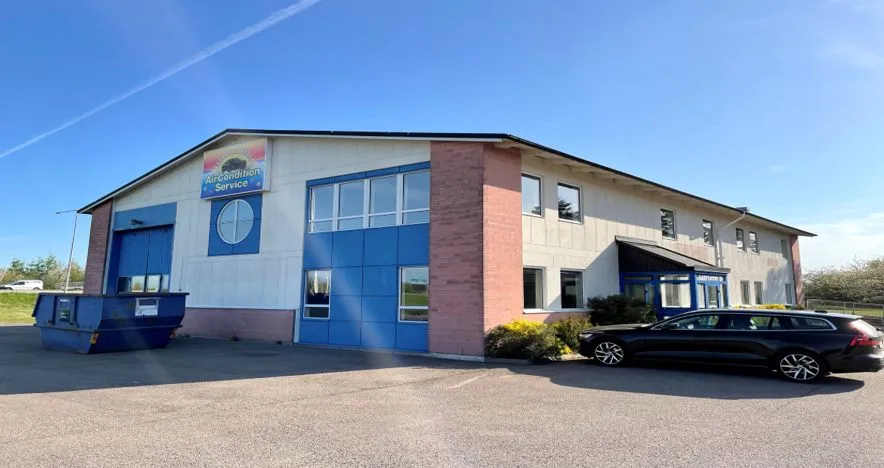
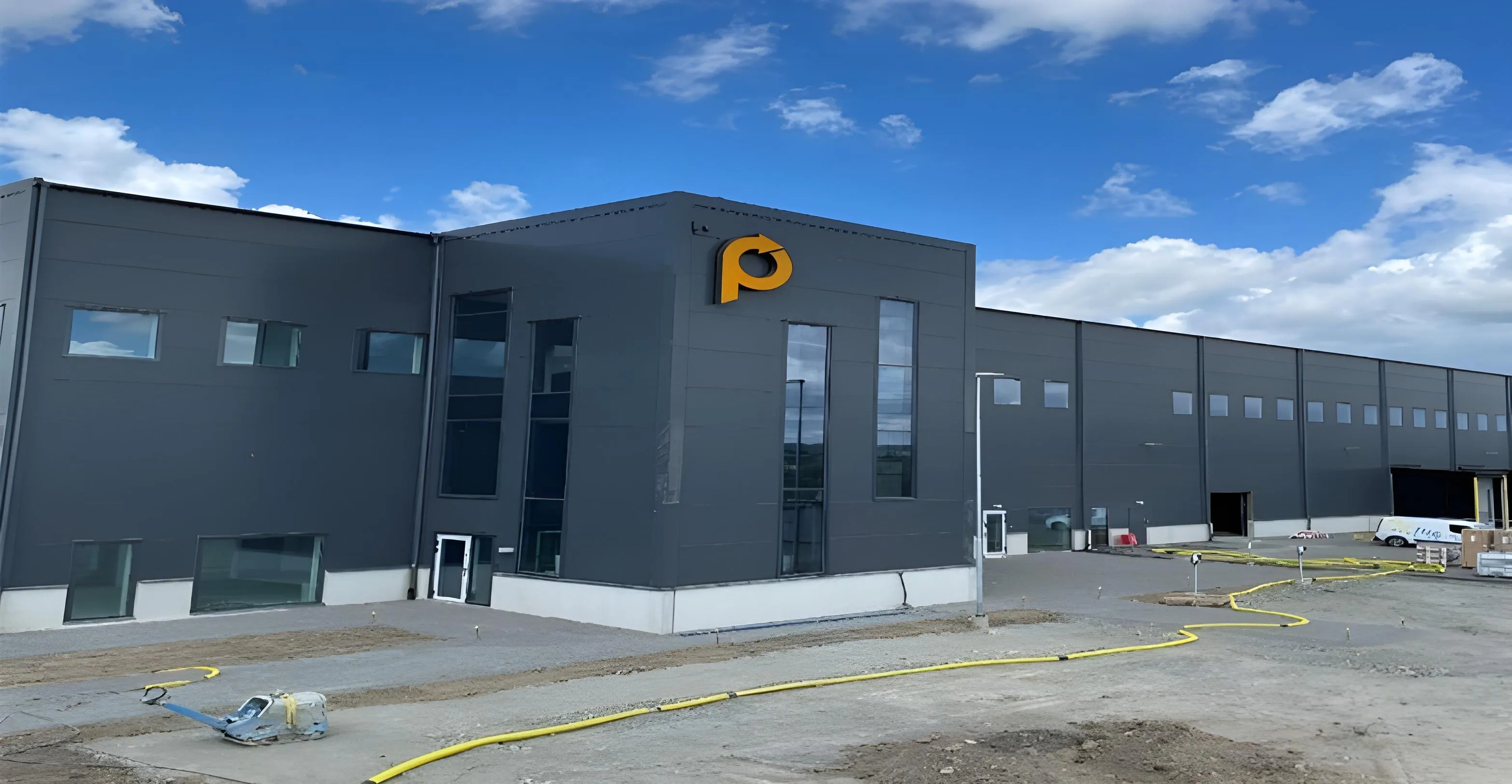
* Compared to traditional solutions, as stated by Synenergi.
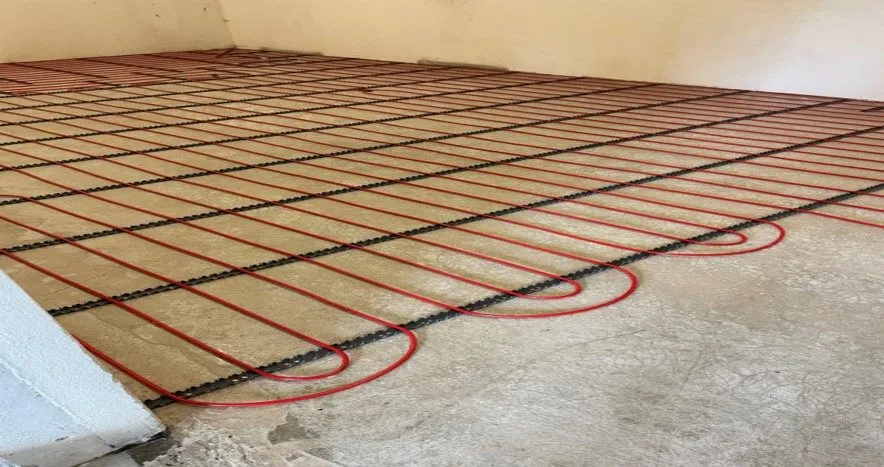
Any building on a concrete slab.
The system works in new build and retrofit alike. The prime focus is logistics, industrial, commercial and military installations – it has also been installed in residential buildings.
Target marketsFrom feasibility study to after sales.
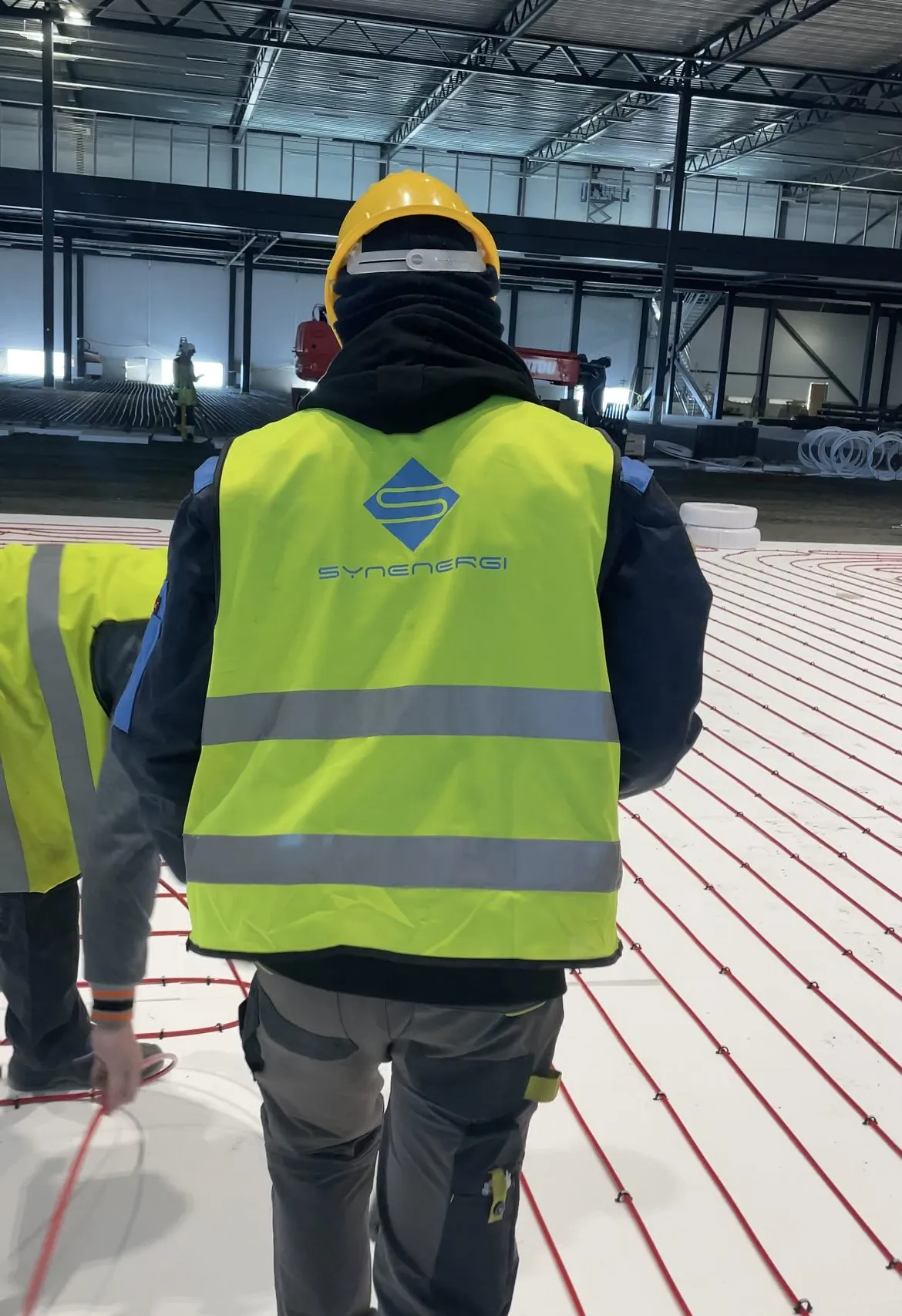
A structured, documented delivery process – with local engineering companies and contractors from the Heatnet Global network reinforcing the central Synenergi team.
- PreparationFeasibility, design, simulations, certification
- CommercialisationBusiness model, permits, financial plan
- DeliveryInstallation, commissioning, training, after sales
Discuss your building.
New build or retrofit – if the building stands on a concrete slab, we can look at what a low-temperature floor system would mean for its energy use, comfort and costs. Useful to mention: the size of the building, what it is used for and how it is heated today.
Synenergi is represented by Heatnet Global in all target markets.
Peter Anderberg, CEO · Heatnet Global